LinkedIn has become an important platform for professional networking, recruitment, and career development. However, simply creating an account and uploading a profile photograph is not enough to attract recruiters or generate meaningful employment opportunities. A strong LinkedIn profile should clearly communicate your professional identity, highlight relevant skills, demonstrate measurable achievements, and make it easy for recruiters to understand your potential value. This comprehensive guide explains how to optimize every important section of your LinkedIn profile, including your headline, About section, work experience, skills, featured content, and professional recommendations. It also covers keyword optimization, networking strategies, common mistakes, and practical steps to make your profile more competitive in today’s job market.
Cover Letter
How to Write Powerful Resume Bullet Points: Turn Your Job Responsibilities Into Measurable Achievements
Writing a professional resume involves more than listing your previous job responsibilities. Recruiters want to understand what you accomplished, how you contributed to your organization, and what value you could bring to their team. Unfortunately, many candidates weaken their applications by using generic descriptions such as “responsible for daily operations” or “assisted with administrative tasks.” This comprehensive guide explains how to transform ordinary job descriptions into achievement-focused resume bullet points using strong action verbs, measurable results, and relevant professional keywords. It includes practical examples from marketing, sales, finance, administration, customer service, and management, along with strategies for quantifying achievements when exact figures are unavailable.
How to Explain Employment Gaps on Your Resume: 10 Practical Strategies to Get More Interviews
Employment gaps are a common concern for job seekers, especially those who have been unemployed for several months or years. Whether your career break resulted from redundancy, family responsibilities, further education, relocation, personal circumstances, or a career transition, explaining an employment gap professionally can help employers better understand your background. However, hiding dates, inventing employment history, or providing excessive personal information can damage your credibility. This comprehensive guide explains how recruiters evaluate employment gaps, how to present career breaks on your resume, how to answer difficult interview questions, and how to demonstrate that you are ready to return to work. It also includes practical examples for different situations and actionable strategies to strengthen your professional profile.
How to Write a Cover Letter That Gets Interviews: A Complete Step-by-Step Guide With Examples
A well-written cover letter can help job seekers communicate their professional value beyond what a resume can show. However, many candidates make the mistake of repeating their employment history, using generic introductions, or describing themselves with vague statements that fail to capture an employer’s attention. An effective cover letter should demonstrate a clear understanding of the position, explain why your experience is relevant, and provide convincing evidence of what you can contribute. This comprehensive guide explains how to research an employer, structure a persuasive cover letter, highlight measurable achievements, address employment gaps, and tailor your application to different career situations. It also includes practical examples, ready-to-use templates, and common mistakes to avoid.
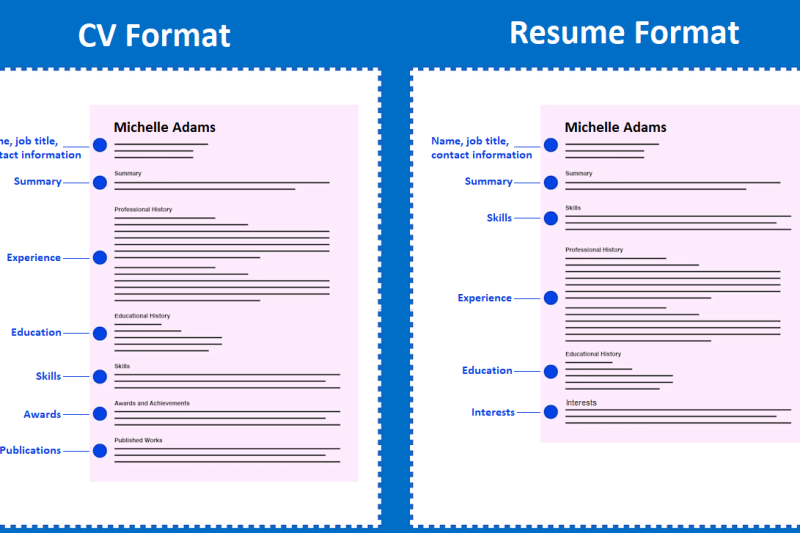
How to Write an ATS-Friendly Resume That Gets Noticed by Recruiters: A Complete Guide
A well-written resume is one of the most important tools in your job search, but having excellent qualifications does not guarantee that recruiters will notice your application. Many employers use Applicant Tracking Systems (ATS) to organize applications, search for relevant qualifications, and support their recruitment processes. If your resume is poorly structured, difficult to read, or does not clearly demonstrate the skills required for the position, you may miss valuable opportunities. This comprehensive guide explains how ATS software works, how to optimize your resume with relevant keywords, how to write achievement-focused work experience, and how to create a professional resume that appeals to both recruitment software and human hiring managers. You will also find practical examples, formatting recommendations, and a complete resume optimization checklist.